Residential Drain Cleaning Tacoma for Recurring Sink and Toilet Drain Issues
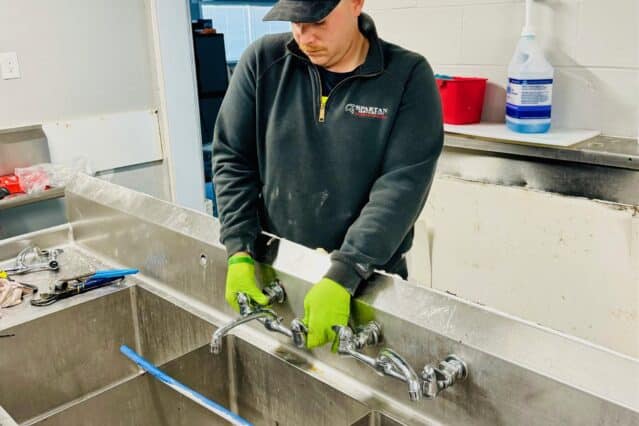

Recurring drain trouble rarely starts as a dramatic plumbing failure. It usually begins with a sink that gurgles after dinner cleanup, a bathroom basin that drains a little slower each week, or a toilet that needs a second flush when it never used to. Homeowners put up with those signs longer than they should because the problem feels manageable, until it is not. Then a routine evening turns into standing water, a plunger on the floor, and a call for urgent help.
That pattern shows up often with residential drain cleaning Tacoma service calls. A drain that clogs once might be a simple obstruction near the fixture. A drain that clogs again and again is telling you something more important about the line, the way the system is being used, or the condition of the piping itself. The job is not just to reopen the pipe for today. The real job is to figure out why it keeps happening and stop the cycle.
In homes, sink and toilet issues are often linked in ways people do not expect. A kitchen sink may back up because grease has narrowed the branch line over time. A toilet may flush slowly because paper and waste are meeting resistance farther down the system. In some homes, both symptoms point to a shared problem in the main drain. If the diagnosis is wrong, the relief is short-lived. If the diagnosis is right, the repair plan becomes much clearer.
When a simple clog is no longer a simple clog
Most homeowners can recognize an obvious clog. Water sits in the sink. The toilet bowl rises too high. A quick plunge may get things moving again. That does not necessarily mean the problem is solved.
A drain line has a way of masking its true condition. Picture a pipe that should be open enough to carry water, soap, paper, and waste at a steady pace. Now imagine that pipe with years of soap residue, grease film, hair, mineral scale, or root intrusion cutting its internal diameter in half. Water may still pass through. It may even seem normal on a good day. But the system has almost no tolerance left. One heavy use period, one extra wad of paper, or one meal’s worth of cooking grease can push it over the edge.
That is why recurring clogs deserve a different response than isolated ones. The question is not, “How do we force this through one more time?” The question is, “What has changed in this line that keeps reducing performance?”
A lot of homeowners in Tacoma live in houses built in Residential Drain Cleaning Tacoma different eras, and age matters. Older galvanized drain lines can build up corrosion and interior roughness that snags debris. Cast iron can scale and narrow. Some homes have had piecemeal repairs over decades, leaving odd transitions, improper slope, or vulnerable joints. Even newer homes are not immune. Disposal misuse, flushable wipe habits, and heavy kitchen grease can compromise a system surprisingly fast.
The clues your plumbing gives before a full backup
Drain systems are not subtle when they are under stress, but the signs are easy to dismiss if you are busy. A recurring sink or toilet issue usually comes with a trail of warnings.
You may hear a kitchen sink gurgle when the dishwasher drains. You may notice that flushing one toilet affects the water level in another fixture. A bathroom sink may drain slowly even after the trap has been cleaned. The toilet may flush, but with a weak swirl instead of a strong pull. Sometimes there is a faint sewer odor near a tub or laundry area. Sometimes the problem seems to improve for a week, then comes back after family visits or a weekend of heavier water use.
Those details matter because they help narrow the location of the restriction. If one bathroom sink is slow and everything else works fine, the issue may be limited to that fixture branch. If the toilet and tub in the same bathroom both struggle, the blockage is likely farther downstream. If multiple fixtures on different floors show symptoms, the main line moves much higher on the list of suspects.
The timing matters too. A sink that acts up only after holiday cooking points toward grease and food solids. A toilet that worsens during rainy periods may raise concerns about a compromised sewer lateral or outside line conditions, though that requires careful inspection rather than guesswork. A basement floor drain that bubbles when the upstairs toilet is flushed is another sign that the system is asking for attention sooner, not later.
Why Tacoma homes can see recurring drain problems
Local conditions shape plumbing behavior. In Tacoma, recurring drain issues often reflect a mix of climate, housing age, and everyday use. Frequent wet weather does not directly clog a pipe inside your house, but it can expose weaknesses in aging sewer laterals, especially where roots, shifting soil, or old joints are involved. Tree roots are persistent and opportunistic. If moisture and nutrients are available through a small opening in a line, they can find it.
Older neighborhoods deserve special mention. Homes with original drain infrastructure may still be functioning, but “functioning” and “healthy” are not the same. A line that has lasted decades can still be narrowed, brittle, or poorly vented by modern expectations. In these properties, recurring sink and toilet problems sometimes trace back to a pipe that technically still works, but only barely.
Kitchen habits are another major factor. Grease is one of the most common contributors to repeat sink backups because it behaves deceptively. Warm grease goes down as a liquid, then cools and clings to the pipe wall. Once that coating is there, food particles attach more easily, and the line gradually loses capacity. A homeowner may blame the one dinner that finally caused a backup, when the real issue has been building for months or years.
Bathroom drains create a different kind of blockage. Hair, soap residue, tissue buildup, hygiene products, and so-called flushable wipes can create dense obstructions that a plunger cannot fully resolve. Toilets are especially unforgiving of anything beyond waste and toilet paper. Many products sold for convenience create expensive service calls later.
Sink issues are often more than surface deep
A recurring sink drain problem can come from several layers of buildup and each calls for a different approach. A bathroom sink often has a local restriction near the pop-up assembly or trap. That is the easy case. A kitchen sink tends to be less forgiving because the obstruction may extend well beyond the visible piping under the cabinet.
One of the most common service scenarios involves a homeowner who has already tried a store-bought drain cleaner, then a hand snake, then repeated flushing with very hot water. The sink drains a little better for a short time, but the line still holds a heavy grease film or compacted debris farther down. Chemical cleaners can be especially unhelpful here. They may sit in standing water, create heat, and leave a line partially obstructed while also making the work more hazardous when a technician arrives.
The difference between opening a sink and cleaning a sink is significant. Opening a drain means creating enough passage for water to move. Cleaning a drain means removing enough residue from the pipe wall that normal flow returns and stays returned. For a recurring problem, the second outcome matters more.
There is also a judgment call involved. If a sink line is old and fragile, the cleaning method should respect that condition. Aggressive mechanical work in a deteriorated line may not be appropriate without first understanding the pipe material and likely weak points. Experience matters in those decisions because there is no prize for being forceful if force causes damage.
Toilet clogs that keep returning usually have a pattern
Toilets are straightforward in one sense and tricky in another. They either clear or they do not. But repeat toilet clogs can come from different sources, and the wrong assumption wastes time.
Sometimes the problem is the toilet itself. A lodged object, excessive paper use, or poor-performing older bowl design can cause repeated frustration at a single fixture. In that case, the branch line may be fine. In other cases, the toilet is simply the first place the household notices resistance because it relies on a full, fast drain path. The real issue lies in the branch line or the main line beyond it.
A toilet that gurgles when another fixture drains suggests a pressure and flow issue in the connected system. A toilet that backs up when the shower runs or when the washing machine discharges points more strongly to a downstream restriction. If plunging works repeatedly but the problem always returns, that is a classic sign that the obstruction is not fully removed or is located farther away than the bowl.
There is also the human factor. Households with young children often deal with occasional foreign-object clogs. Homes with guests, renters, or multiple occupants sometimes see recurring issues because different people use the system differently. None of that is about blame. It is simply part of diagnosis. The line needs to be evaluated in the context of real life, not in theory.
What a proper drain cleaning visit should actually accomplish
A worthwhile residential drain cleaning Tacoma appointment should produce more than immediate relief. It should answer some practical questions. Where is the restriction? What is it made of? Is this a maintenance issue, a behavior issue, or a structural issue? How likely is the problem to return?
The first part is careful observation. Which fixtures are affected? How long has it been recurring? Does the issue worsen at certain times? Have there been previous repairs, root intrusions, or sewer backups? Those details shape the plan.
The second part is selecting the right tool. Drain work is not one-size-fits-all. A small lavatory blockage may respond well to a hand auger or light machine. A grease-laden kitchen line may need more thorough mechanical cleaning. A main line with suspected roots or heavy scale may call for larger equipment and, in many cases, camera inspection after flow is restored.
When a camera is used, the value is clarity. It can reveal bellies, offsets, cracks, root intrusion, heavy buildup, or a line that is cleaner than expected, which means the problem might be somewhere else. Homeowners tend to appreciate that kind of evidence because it turns vague worry into a concrete decision.
A good service call should leave you with a realistic picture, not a sales pitch. Sometimes the right answer is simple maintenance and better drain habits. Sometimes the right answer is that the line is deteriorated enough that cleaning buys time but not much more. Honesty about that distinction saves money in the long run.
Methods that work, and methods that only seem to work
There is a place for basic tools. A plunger can clear a fresh toilet clog. Removing and cleaning a sink trap can solve some localized stoppages. Residential Drain Cleaning Tacoma But recurring issues usually demand more thorough methods.
Here are the most common approaches and when they tend to help:
- Plunging works best for fresh, simple obstructions close to the fixture, especially in toilets.
- Snaking is useful when a solid blockage needs to be pierced or pulled apart in a branch line or toilet drain.
- Mechanical drain cleaning with proper cable and heads can remove tougher buildup, grease, or roots more effectively than a casual hand auger.
- Camera inspection helps when clogs return, multiple fixtures are involved, or the condition of the line is unknown.
- Hydro jetting can be effective in the right system for scouring residue from pipe walls, but it is not appropriate for every old or damaged line.
Homeowners often ask about liquid drain cleaners. In my experience, they are rarely the best answer for recurring sink and toilet issues. They may soften some organic matter near the surface, but they do not diagnose the problem, and they seldom remove the full accumulation causing repeat backups. In older piping, repeated chemical exposure is not something I would recommend casually.
Hydro jetting deserves a nuanced view as well. It is excellent when the pipe condition supports it and the goal is deep cleaning rather than simple reopening. It can strip grease and sludge far better than many other methods. But it is not a universal default. A compromised, cracked, or poorly connected line may need a different strategy. That is why inspection and judgment come first.
What homeowners can do before calling, and what not to do
There are a few sensible steps you can take when a sink or toilet starts acting up, especially if you want to avoid making matters worse before a technician arrives.
If the toilet is rising, stop flushing immediately. One extra flush often turns a manageable clog into a floor cleanup. If a sink is slow, avoid running large volumes of water to “test it” repeatedly. That habit can convert a partial blockage into a full backup under the sink or inside the wall line. If you can safely remove visible debris from a bathroom sink stopper, do so. If there is a disposal involved, make sure the power is off before checking anything around the opening.
Most importantly, avoid stacking remedies on top of each other without a plan. Chemical drain cleaner followed by plunging, followed by hand snaking, followed by more chemicals creates a messy and sometimes dangerous situation. Once a clog has repeated, restraint is often cheaper than persistence.
A short homeowner checklist helps here:
- Stop using the affected fixture as soon as backup risk becomes obvious.
- Note which other fixtures are slow, gurgling, or bubbling.
- Avoid chemical cleaners if professional service is likely.
- Keep children away from standing water or open cleanout areas.
- If possible, share the home’s drain history when scheduling service.
That last point can shave real time off the visit. If you know the kitchen line was snaked two years ago, or the main sewer had roots last winter, say so. Good drain work depends on pattern recognition.
Preventing the next clog without becoming obsessive
Prevention works best when it is practical. Nobody wants a long list of rules taped above every fixture. A few disciplined habits do more good than an elaborate routine nobody follows.
In the kitchen, grease belongs in a container, not in the drain. Even when chased with hot water and dish soap, it cools farther down the line. Food scraps should be minimized, even with a disposal. Disposals are helpful, but they are not a license to send fibrous vegetables, coffee grounds, eggshells, or large amounts of starch down the system. Those materials behave badly in drains more often than people think.
In bathrooms, hair control matters. A simple drain screen catches a surprising amount. Toilets should be limited to waste and toilet paper. That advice sounds old-fashioned until you see how often wipes and hygiene products drive repeat calls. “Flushable” on the package is not the same as harmless to your plumbing.
Some homes also benefit from periodic maintenance cleaning, particularly if they have a known history of grease buildup, root intrusion, or older branch lines. The interval varies. A family of five with a busy kitchen may need more attention than a two-person household that cooks lightly. A line with past root growth may be on a very different maintenance schedule than one that has never shown that issue.
The key is not to overreact. A healthy drain system does not need constant treatment. But a line with a proven weakness often costs less to maintain on schedule than to rescue after each backup.
When recurring drain issues point to a bigger repair
Not every recurring clog is a cleaning problem. Sometimes cleaning is only a temporary measure because the pipe itself is the issue. This is where honest evaluation matters most.
If a camera shows broken sections, severe offsets, a belly that holds waste water, or root intrusion through failed joints, drain cleaning may restore flow but not reliability. Likewise, if an old line has become heavily scaled and narrowed throughout, repeated service may eventually cost more than a targeted repair or replacement.
This is not always an all-or-nothing decision. Some homes need a spot repair at a specific failure point. Others may need a toilet reset, a section of branch line replacement, or a more substantial sewer lateral project. The right path depends on symptom frequency, pipe condition, and how much disruption the homeowner can reasonably tolerate.
One common mistake is waiting for certainty that a line has fully failed before acting. By then, damage can spread beyond the plumbing itself. Repeated overflows affect flooring, cabinetry, drywall, and indoor sanitation. A modest repair done at the right time can prevent a much uglier cleanup later.
Choosing the right help for residential drain cleaning Tacoma homes need
Drain problems are stressful because they interfere with the most basic routines in a house. You want a fast fix, but speed should not come at the expense of accuracy. The right provider for residential drain cleaning Tacoma work should be able to do more than run a cable and leave. They should be able to explain the likely cause, the limits of the cleaning they performed, and whether your system needs follow-up inspection or repair.
Pay attention to how the problem is discussed. If every clog is treated as identical, that is a warning sign. Kitchen grease, toilet paper accumulation, root intrusion, and failing cast iron do not behave the same way and should not be addressed as though they do. Clear communication matters almost as much as the equipment itself.
A homeowner should also expect plain language. You should know whether the line is fully cleared or only passable, whether recurring issues are likely, and what habits or maintenance steps could realistically help. Plumbing advice is most useful when it is specific to your home, not generic.
Recurring sink and toilet drain issues are rarely random. They are patterns, and patterns can be diagnosed. Once the real cause is identified, the fix becomes more predictable, the household gets its routine back, and the next clog stops feeling like an inevitable part of owning a home.
Spartan Plumbing Services
Address: 760 107th St S, Tacoma, WA 98444
Phone number: +12534998773
FAQ About Residential Drain Cleaning Tacoma
How much does it cost to have someone clean your drains?
Professional drain cleaning costs between $147 and $352 on average, with most homeowners paying around $246. The final price is heavily determined by the type of drain affected, the clearing method needed, and your geographic location.
How much does it cost to clean a drain line?
Professional drain cleaning costs between $147 and $352 on average, with most standard residential jobs landing right around $246. However, your final bill can scale from $100 to over $800 depending entirely on which drain is clogged and the method required to clear it.
Is professional drain cleaning worth it?
Yes, professional drain cleaning is worth it because it clears deep buildup and prevents expensive plumbing emergencies.